Lynchburg Roof Pros: Roof Replacement, Repair and Storm Damage
Roofing for Lynchburg homes and commercial buildings. We check where your roof water goes before we price the roof.
Virginia licensed and insured, with the class printed next to the price - and the city bond where a town requires one·Sewershed checked on every Lynchburg address before a roof is quoted·Free assessments, including the ones that end with us telling you to do nothing·Buildings left watertight at the end of every working day, occupied or vacant
Lynchburg Roof Pros works on asphalt shingle, standing seam metal, modified bitumen and single-ply roofs throughout Lynchburg, Virginia. We work on hill houses built before the First World War and on warehouses along the rail line below them.
Most contractors look at the covering and ignore what happens to the water afterward. In this city that habit gets expensive. About four percent of Lynchburg drains through a combined sewer that carries rainwater and sewage together in one pipe, and inside that footprint a downspout is frequently hard-piped straight into it below grade, out of sight.
So the first thing we do with any address is look it up on the City's own sewershed map, before anybody prices a single square of shingles. If your building sits inside the combined area, the City runs a program that pays owners to disconnect those downspouts, and we will tell you so. Which side of that line your building sits on is the first thing we will tell you.
Our Roofing Services in Lynchburg, VA
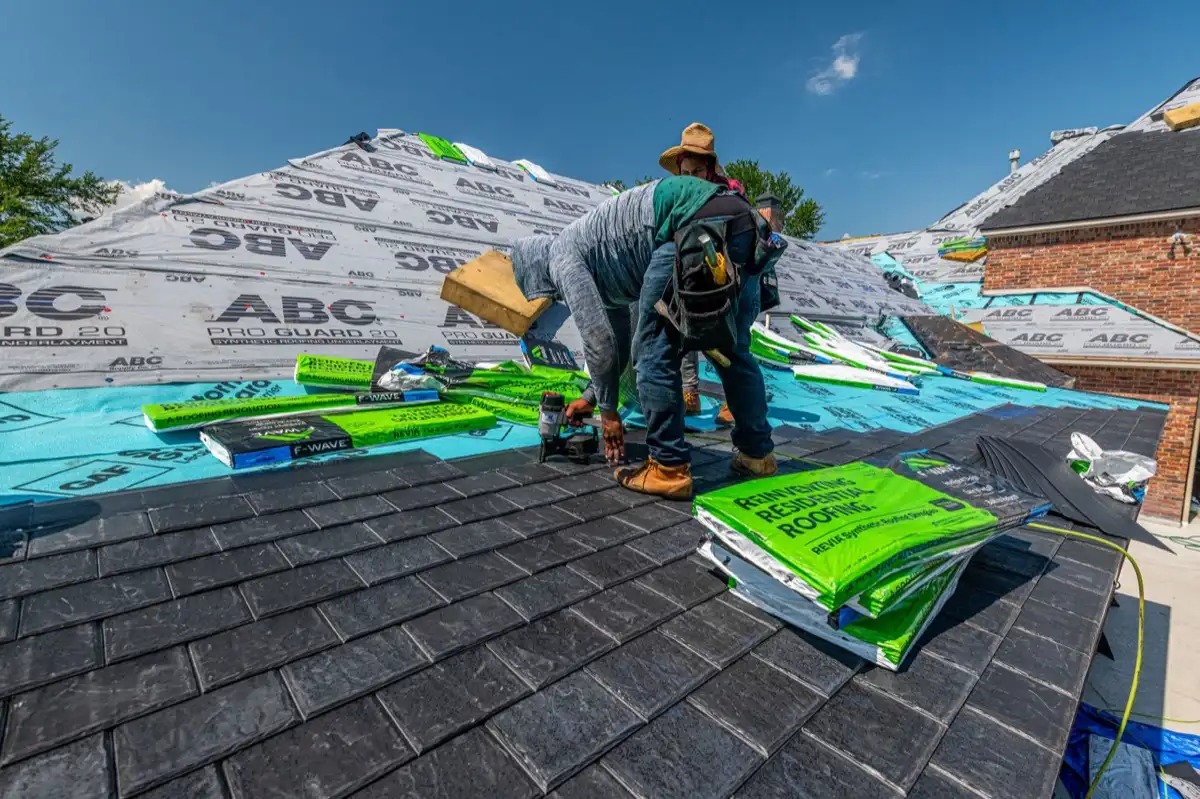
Roof Replacement
A full replacement is the one day every layer of your roof is open at once, and on the old stock here that matters. We start underneath.
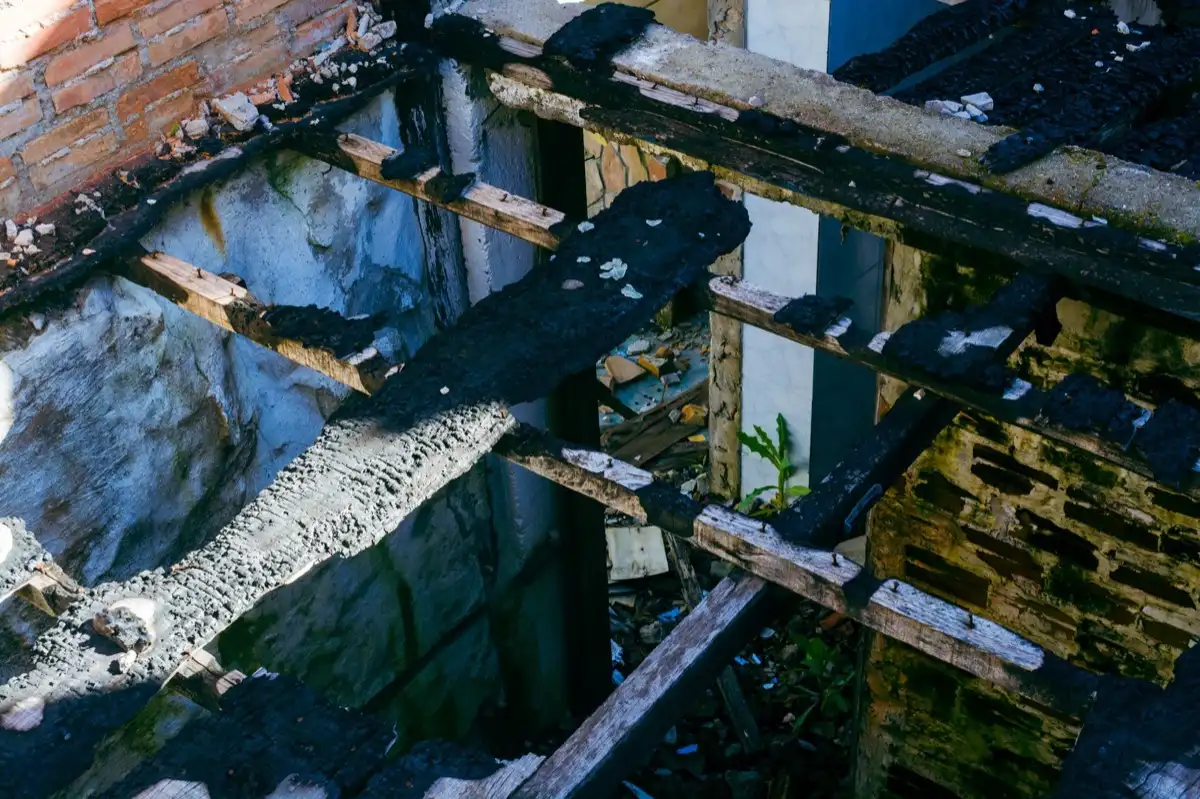
Roof Leak Repair
Half the leak calls we take in the old part of town are not roof leaks. They are water arriving somewhere the owner reasonably assumed came from above, and the actual source is a broken pipe in the ground that used to carry roof water away.
Storm Damage Restoration
Central Virginia storms arrive as intense summer cells rather than long frontal soakings, and intensity is what matters here. The City's own account of its sewer overflows names heavy rainfall as the trigger, and that same rainfall rate is what swamps a roof drainage system in twenty minutes.
Hail Damage Roofing
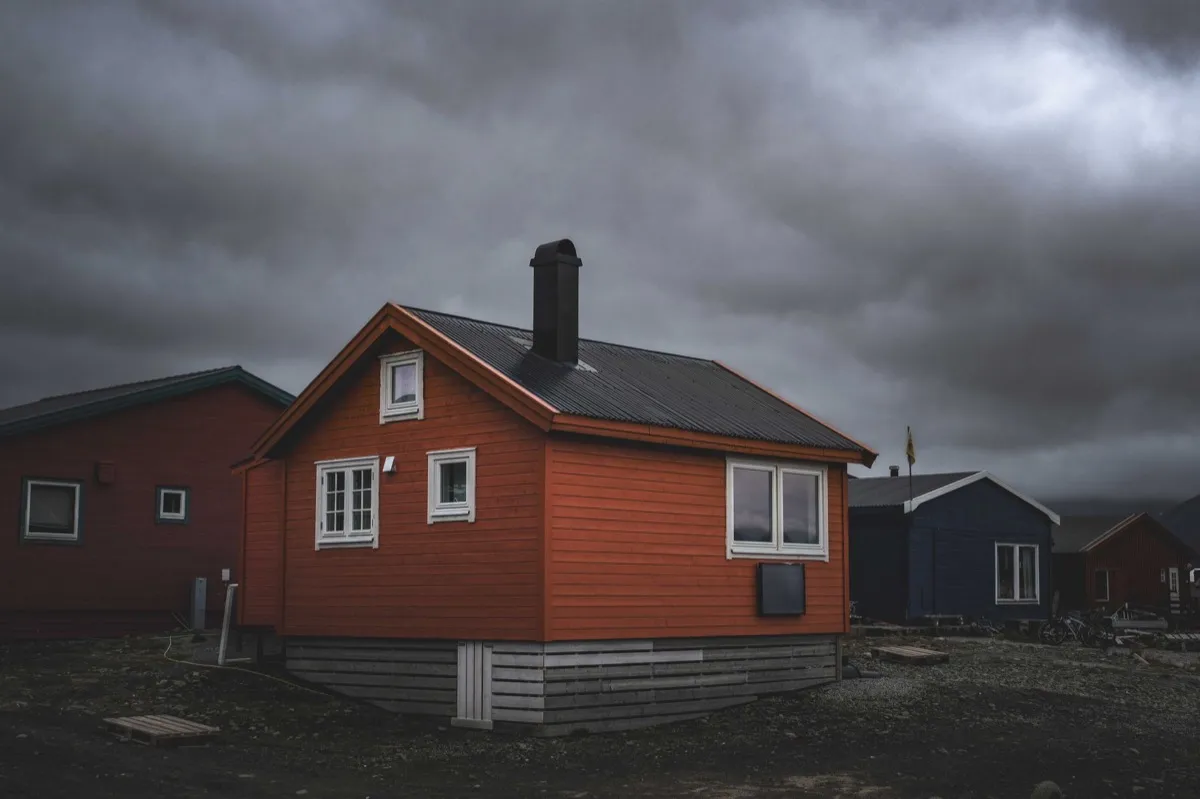
Hail here is occasional and unevenly distributed, which is precisely why it gets misdiagnosed. A cell drops stones on four streets and misses the rest of the neighborhood, then someone knocks on every door for half a mile offering a free inspection.
Wind Damage Roofing
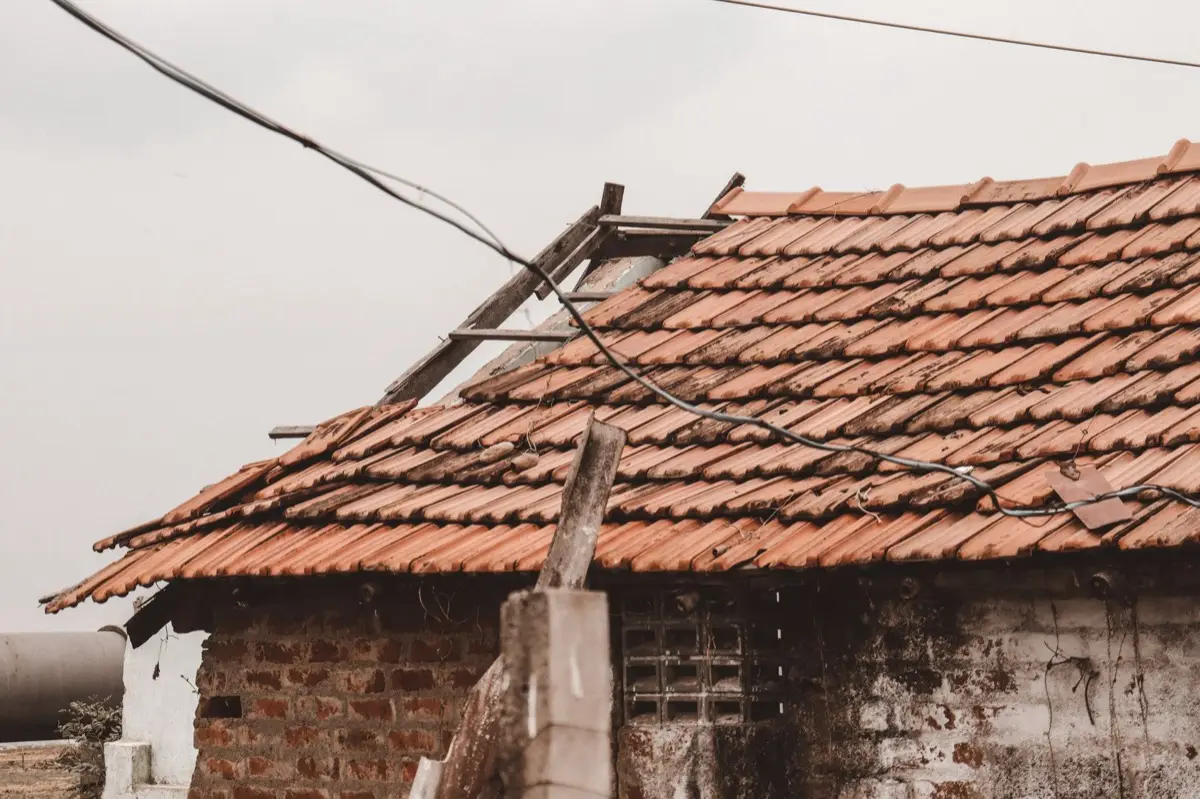
Wind losses on the old stock here rarely start in the field of the roof. They start at an edge, and on houses built before the war the edges are the weakest part of the whole assembly by a wide margin.
Roof Inspections
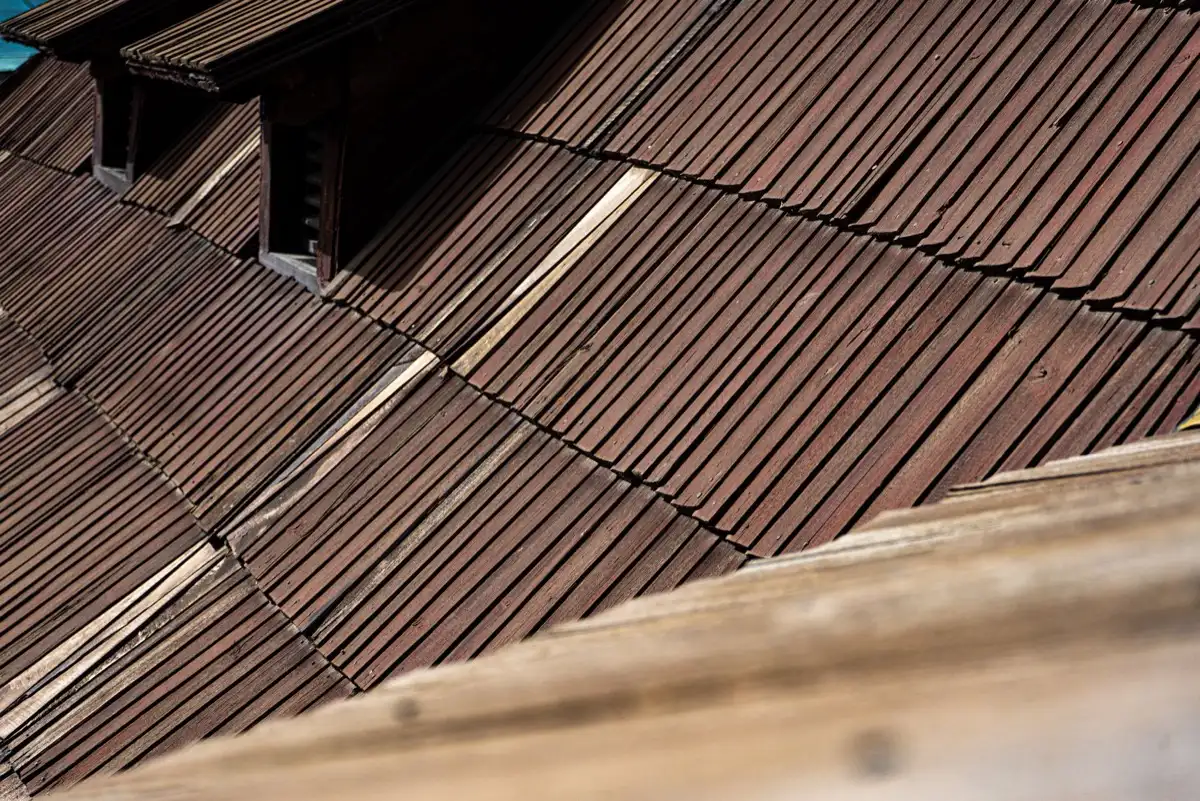
Our inspection runs from the ridge to the ground, and the ground half is what makes it different. Anyone can tell you a roof has eight years left in it.
Asphalt Shingle Roofs
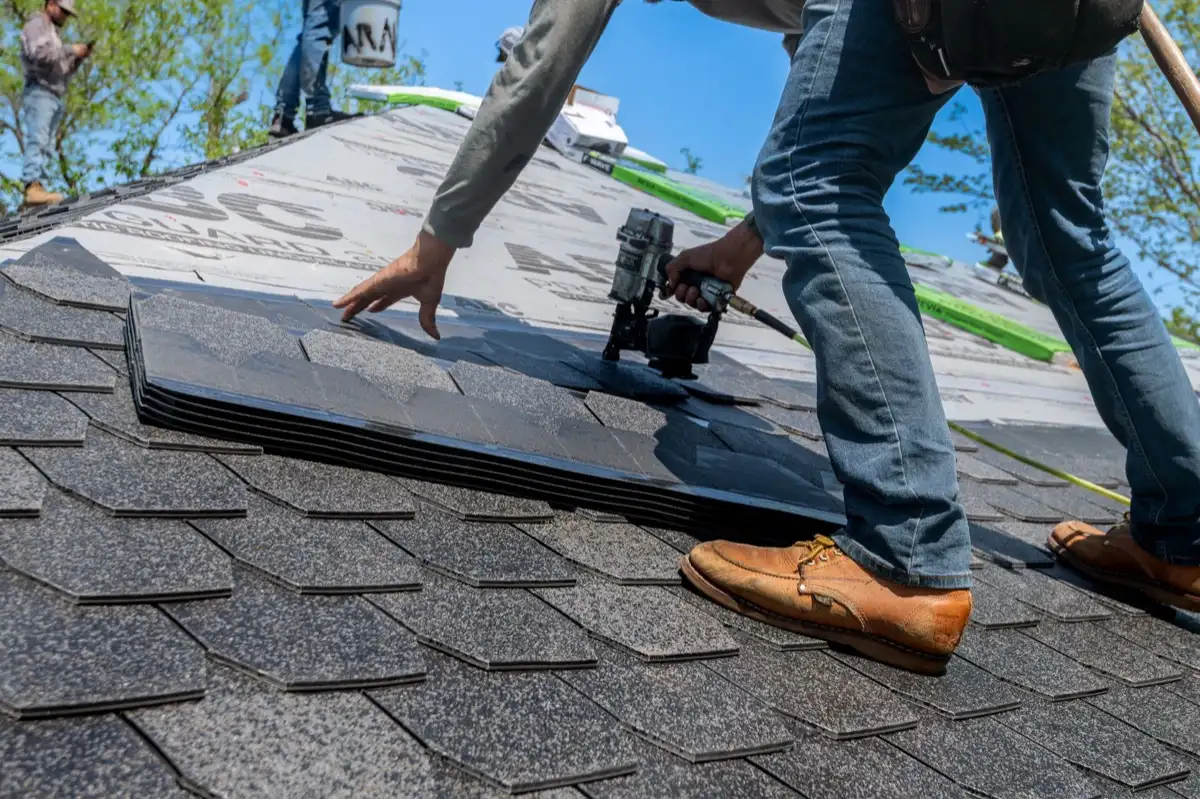
Asphalt covers most of the roofs in this city and it deserves to. It handles our summer heat and our freeze-thaw swings without drama, it can be repaired in pieces, and a laminated shingle over a well-prepared deck is honest value at a price ordinary people can pay.
Metal Roofing
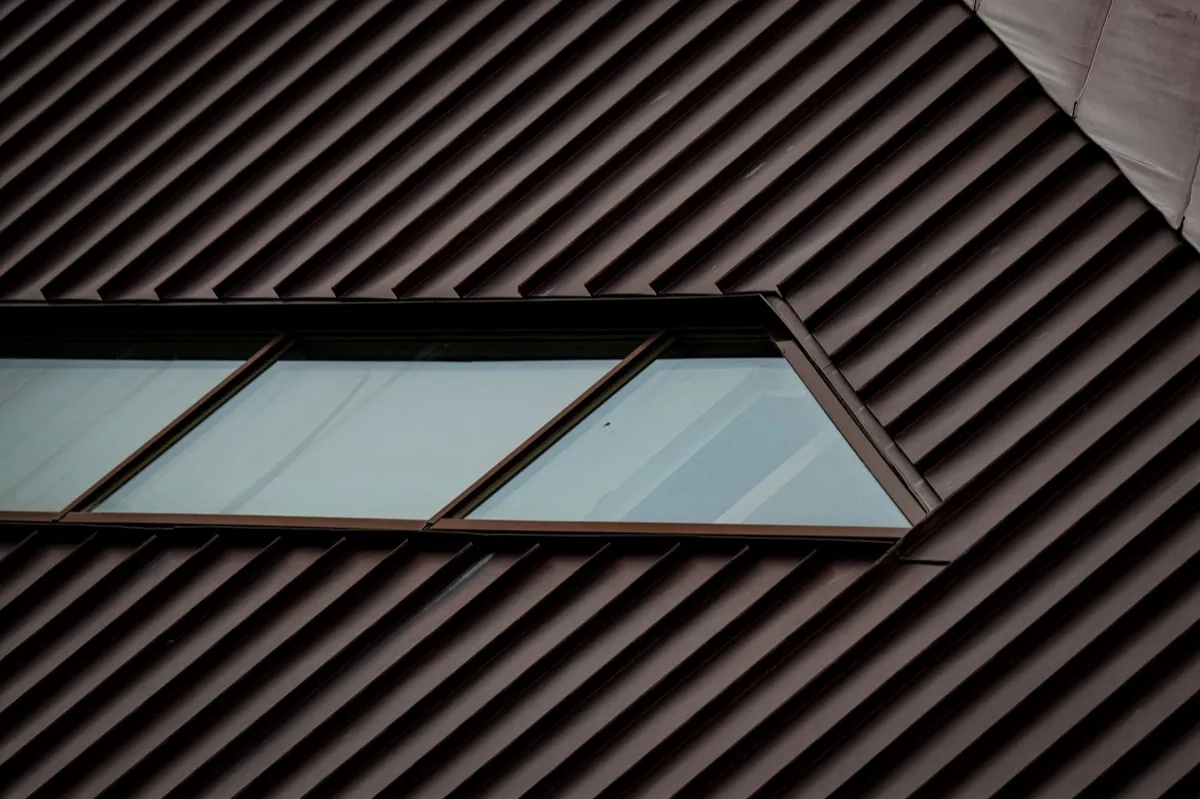
Metal is a fine roof and we install a lot of it, mostly standing seam in twenty-four gauge with concealed clips. It suits the simple gable forms out in the counties, it suits farm buildings, and on a long uninterrupted plane it will outlive two asphalt roofs without complaint.
Tile Roofing
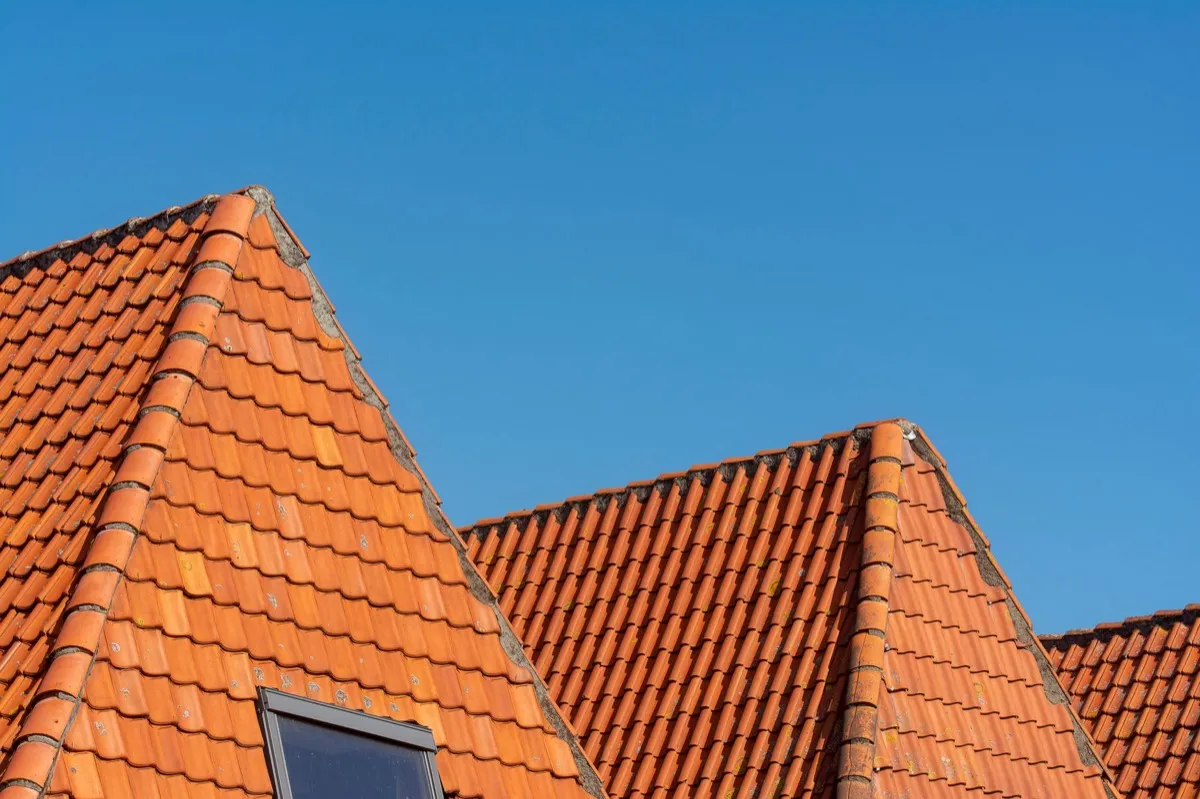
Tile is rare in this part of Virginia and we will begin by talking most people out of installing it new. Where it does exist here it is usually original, on a nineteen-twenties revival house or an institutional building, and the right work is repair rather than replacement.
Flat & Low-Slope Roofing
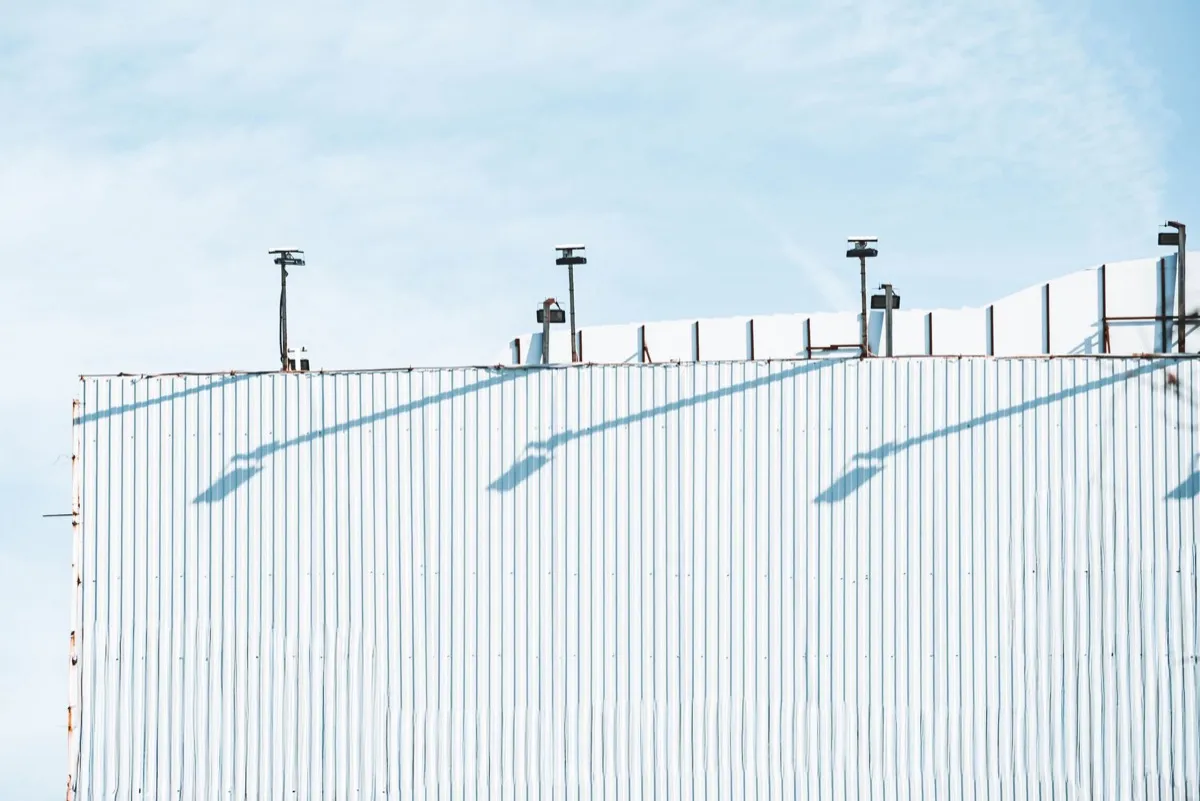
Low-slope work here splits into two very different jobs. There are the small porch, bay and carport planes stuck onto pitched houses, and there are the downtown masonry buildings whose whole roof is flat and whose drains run inside the walls and out through the floor below.
Roof Coatings & Sealing
Understand what you are buying here: a restoration rather than a new roof. On the right substrate, caught at the right point in its life, a coating buys ten to fifteen good years for a fraction of a tear-off.
Roof Ventilation
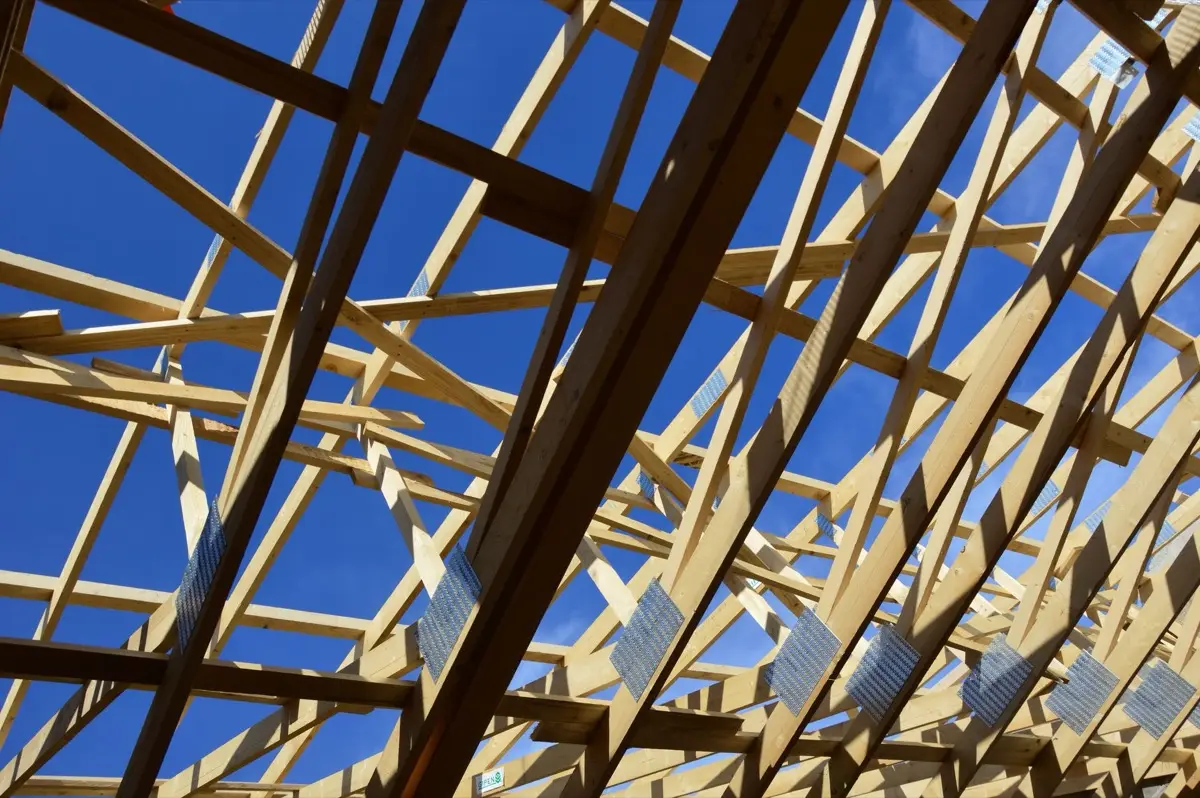
Ventilation problems in this city usually trace back to a renovation rather than to the original roof. Lynchburg has an enormous stock of older houses that have been divided, finished out or converted upstairs, and the attic that made sense in 1915 is frequently no longer an attic at all.
Skylights
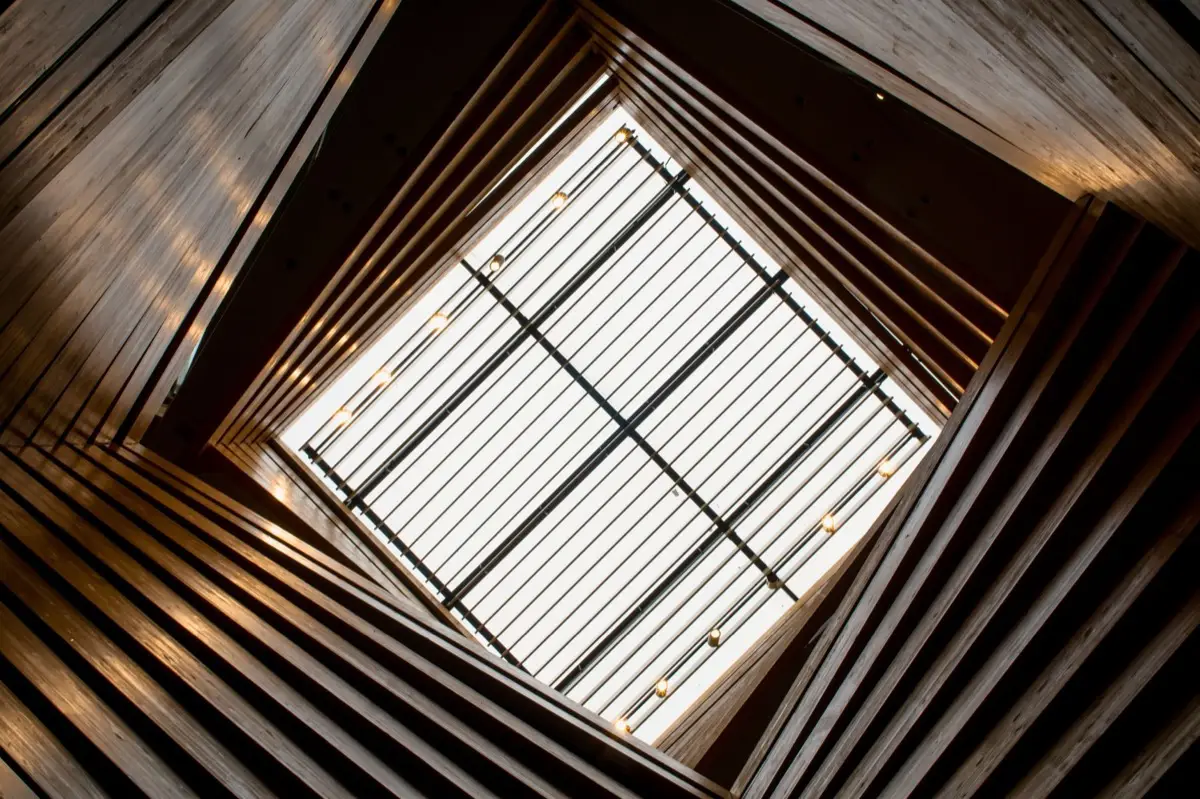
Almost every leaking skylight we are called to was installed without a manufacturer's flashing kit. Someone set the unit in a bed of sealant, ran shingles up to it, and the assembly did what sealant always does after eight summers of expansion and contraction in Virginia sun.
Fascia & Soffit
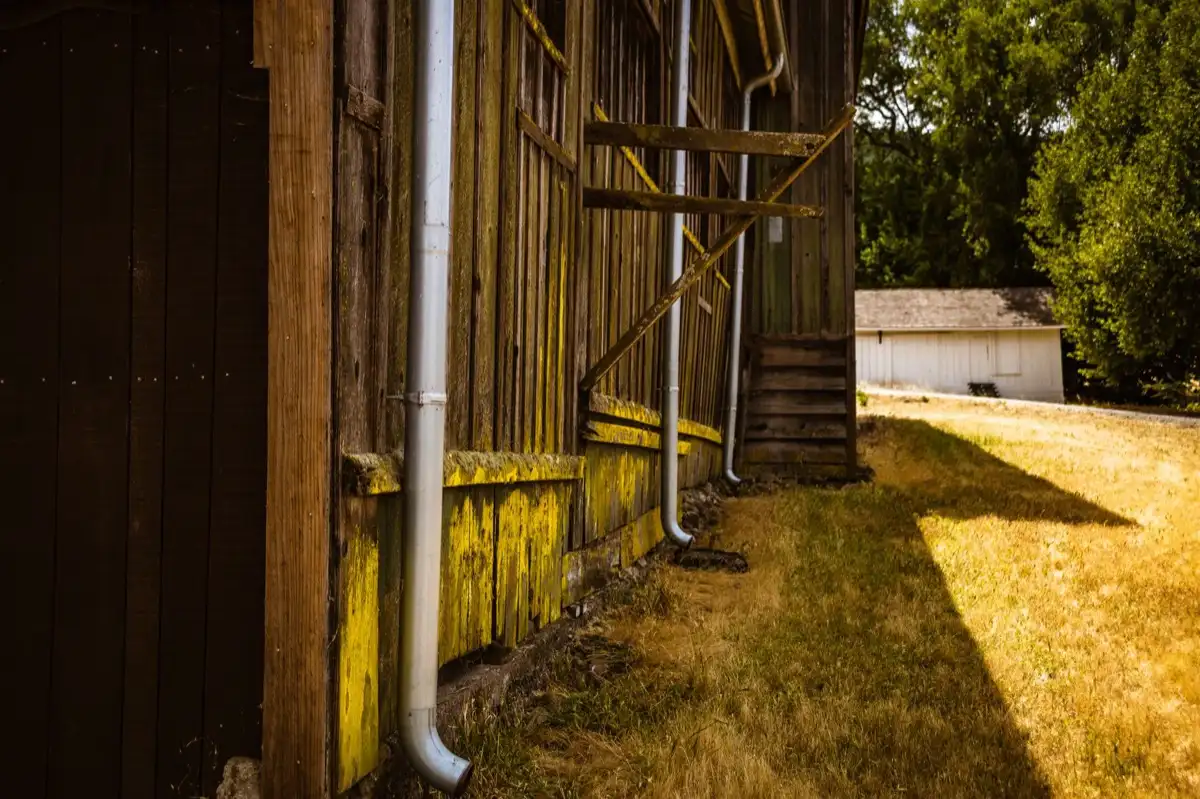
Rotten fascia is a symptom and it is worth reading properly before replacing it. Where the rot sits along the board tells you what actually failed, and swapping the board without answering that question guarantees the same call again in about five years, at the same price.
Chimney Flashing
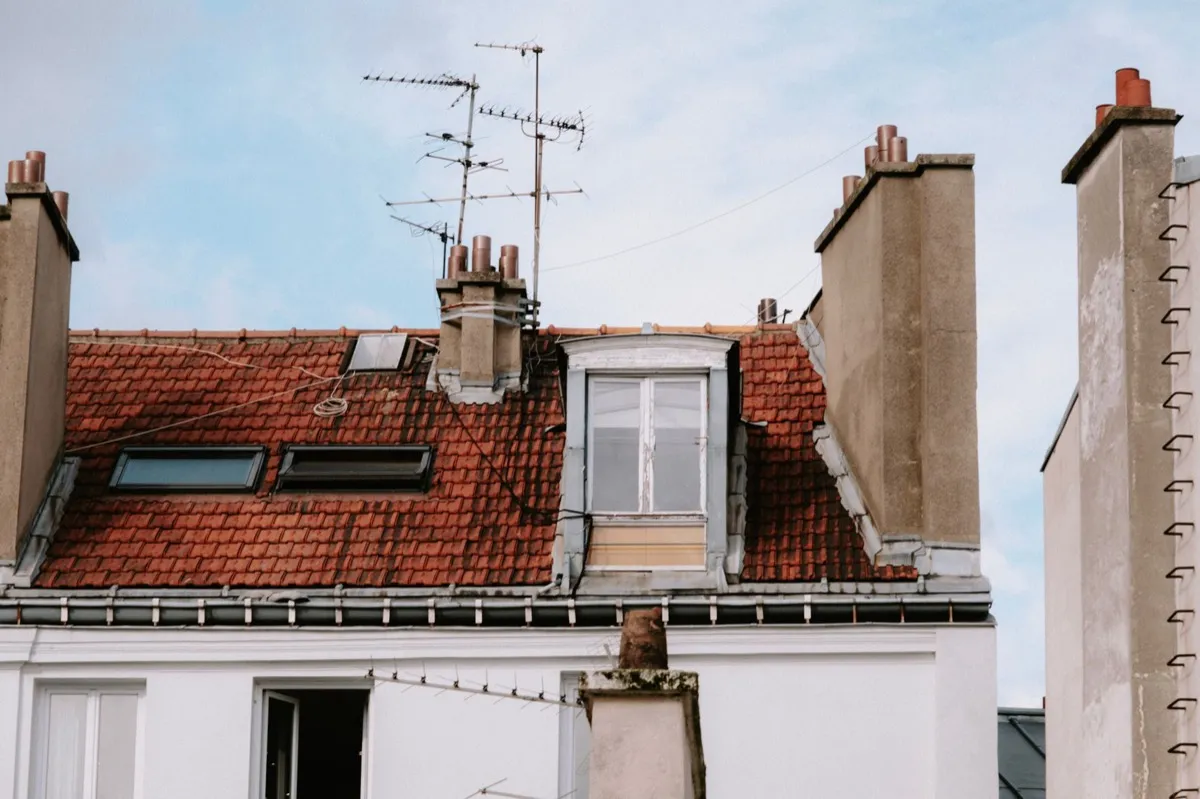
Chimneys are the most common leak point on the older roofs in this city, and the cause is almost always identical. Somebody sealed the joint between brick and shingle with mastic instead of building a two-part flashing, and mastic on masonry lasts a few summers.
Commercial Roofing
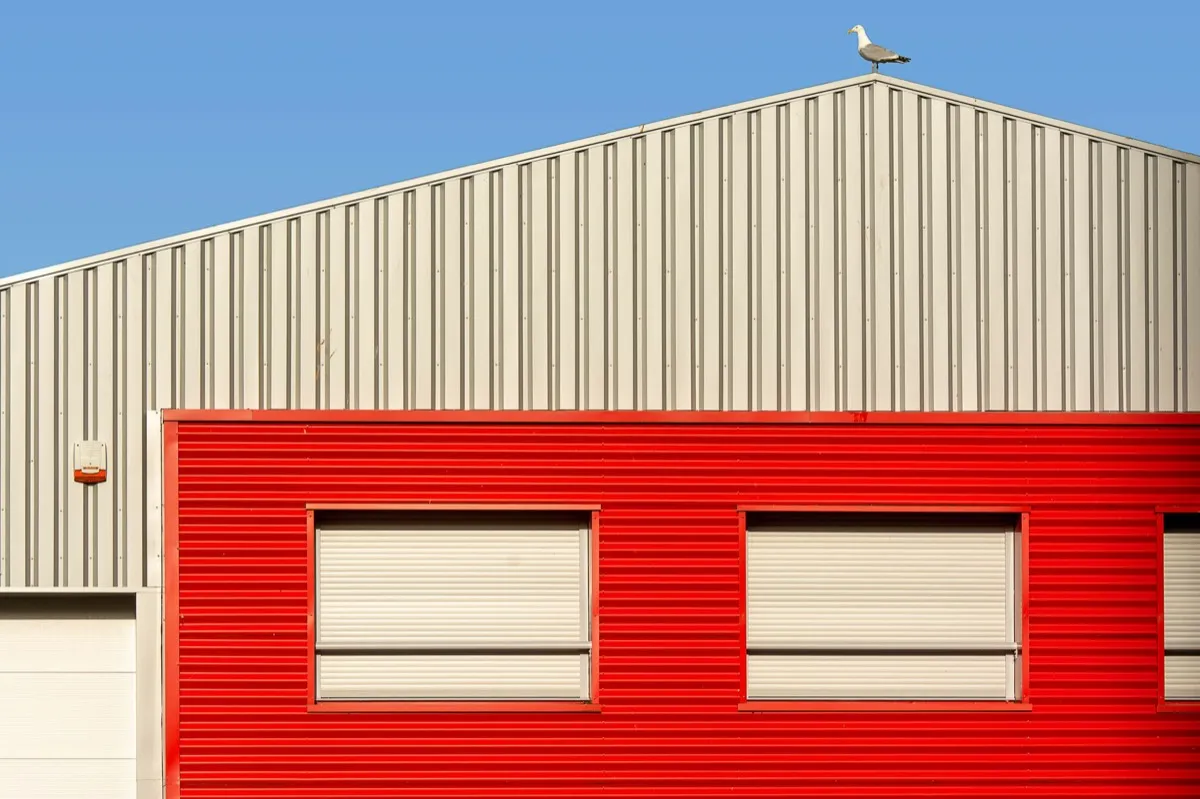
Commercial buildings in Lynchburg divide neatly in two. Downtown and along the river there are old masonry structures with parapets, internal drains and roofs layered over several times.
Insurance Claim Help
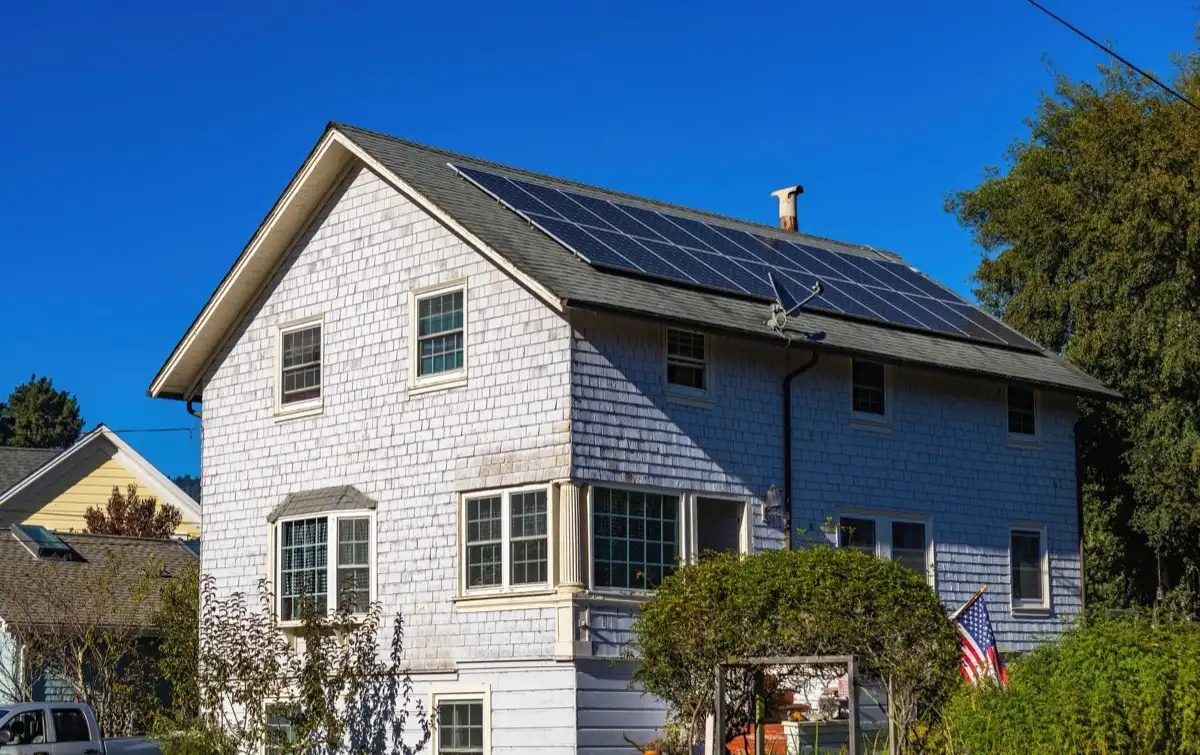
Our job on a claim is documentation, not advocacy. We produce a dated, photographed record of what the roof shows, we meet the adjuster up there, and we answer questions.
Why Lynchburg Chooses Lynchburg Roof Pros
- ✓Inside the hub city we look up your address on the sewershed map before we quote, because a combined block changes where roof water is allowed to go. The other twenty-four towns have no such map, and we say so rather than implying one.
- ✓Every downspout gets followed to its end. One that disappears into the ground is a buried rainleader, and on the old blocks that pipe was laid to reach the sewer main rather than the yard.
- ✓The ten-foot discharge setback in City Code is a real constraint on a hill lot, not a formality, and we tell you when a downspout is aiming water at your own footing or your downhill neighbor.
- ✓We tell owners when a wet basement is a plumbing problem rather than a roofing one, and we walk away from those jobs instead of selling a covering that will not fix the symptom.
- ✓On a low-slope building we survey the drain path before specifying the membrane, because a new roof over a surcharging internal leader still floods the top floor.
About Lynchburg Roof Pros in Lynchburg, VA
Lynchburg Roof Pros is a roofing contractor working the city and the four counties that surround it. Our crews are used to the two roof populations here: the old pitched stock on the hills, much of it built before 1940, and the low-slope commercial buildings on the flats near the river.
The reason we talk about pipes as much as shingles is that this city has an unusual water problem. Rainwater from thousands of roofs was deliberately plumbed into the sanitary sewer over a century ago, and the City has been unpicking that arrangement since a 1994 order from the State Water Control Board. Roof work is the natural moment to find out whether your house is part of it.
When not to call us: if your covering is sound and your only symptom is water at the foundation, you probably need a plumber with a camera and not a roofer. We will say so at the first visit and charge you nothing for the trip. Losing the job is a better outcome for us than selling a roof against a broken underground pipe.
Service Areas
Lynchburg Roof Pros serves Lynchburg, VA and surrounding communities including:
How It Works
Address First, Ladder Second
We run your address through the City's sewershed map and note whether the block is combined or separated. That single answer shapes where roof water is allowed to go, and it takes two minutes to establish before anyone climbs anything.
Roof And Ground In One Visit
We walk the slopes where they are safe to walk, and we also follow every downspout to where it ends. A leader that vanishes into a concrete pad at grade is a buried pipe, and on older blocks that pipe frequently runs to the sewer main rather than to daylight.
The Roof Scope, In Writing
The roof scope arrives as line items on one page. If a downspout on your building looks like it qualifies for the City's disconnect payment, we say so in writing so you can take it up with the City.
Photographed, Then Closed Out
Decking and flashing terminations are photographed and dated before they are covered, so you hold the pictures, and so does whoever owns the building after you do.
Recent Projects Across Central Virginia
Full gallery →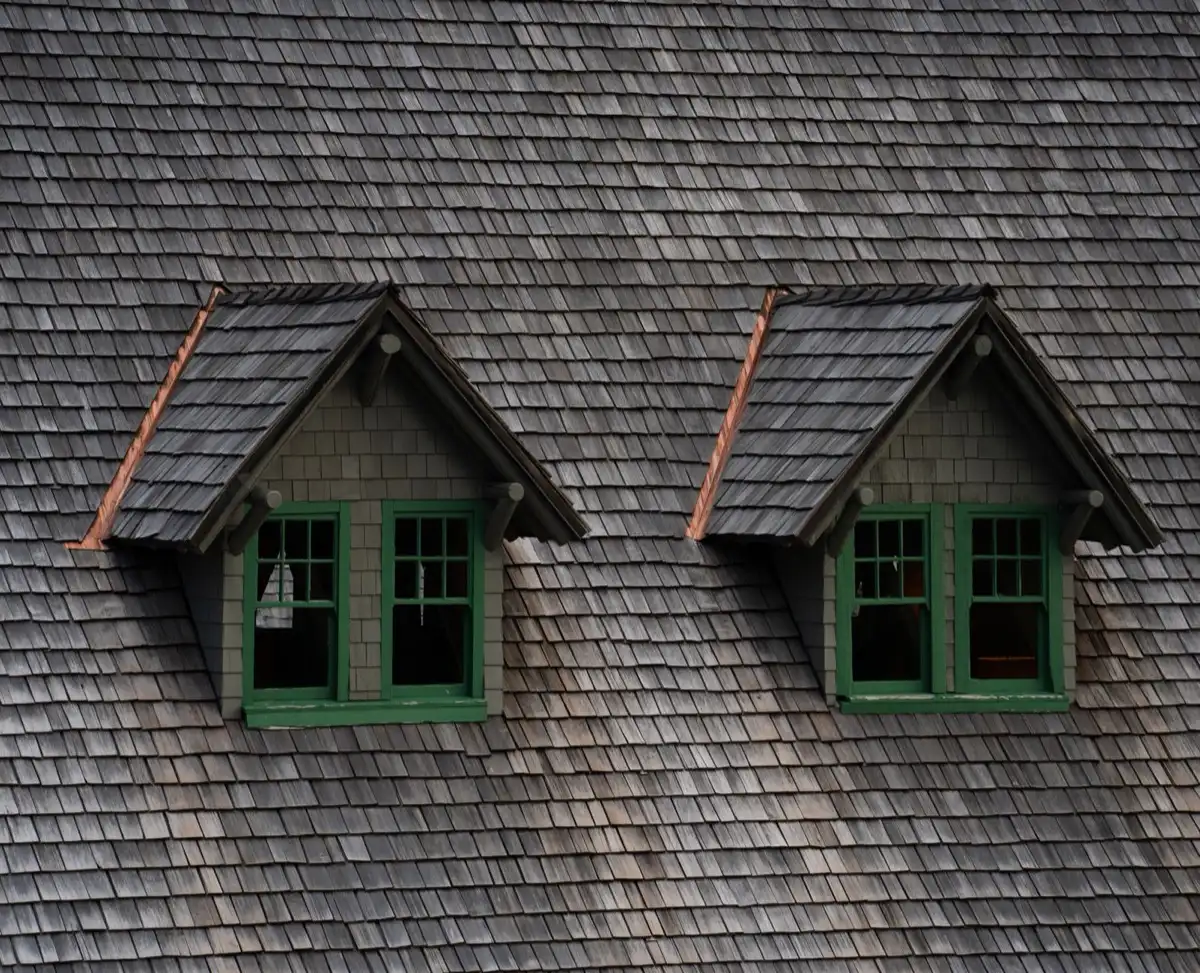
What Lynchburg Customers Say
Straight quote with the license class written on it and no pressure about upgrades we did not need. The crew re-nailed a lot of old boards they could easily have covered over and just shingled.
Called them about a ceiling stain I was sure was the roof. Turned out the upstairs bath fan had been blowing straight into the attic for years. They ran a proper duct, billed me an hour, and never once mentioned replacement.
Our building has drains inside the walls and every other bidder ignored them. These folks scoped the line first and set the new membrane to fall properly toward the bowls. Water leaves now instead of sitting.
Commercial Low-Slope Roofing And Roof Drainage In Lynchburg
Commercial work here is mostly older masonry buildings with internal drains and parapets, plus newer metal-framed buildings on the corridors out of town. On the older stock the roof and the drainage are one problem, because the leaders run inside the walls and land on a combined main. We survey the drain path before specifying a membrane, because a perfect roof feeding a pipe that surcharges in a hard rain will still put water inside the building.
- ✓Sixty-mil single-ply in TPO or EPDM, attachment method chosen from the deck and the exposure
- ✓Two-ply SBS modified bitumen where torch-free installation is required over occupied space
- ✓Tapered polyiso laid out to drains, with saddles between drains rather than a flat field
- ✓Internal drain bowls, clamping rings and strainers replaced when the membrane is replaced
- ✓Overflow scuppers set at the height the design calls for, not at whatever the parapet allows
- ✓Roof-area calculations prepared for the City's stormwater credit application where relevant
- ✓Night and weekend tear-off scheduling for occupied retail and office space downtown
- ✓Metal roof restoration on warehouse buildings, including seam fastener replacement and coating
- ✓Written moisture survey findings before a recover is proposed over an existing assembly
Frequently Asked Questions
How do I know whether my house is on a combined sewer?
The City publishes an interactive map called Find My Sewershed. You type in an address and the combined-system areas come up highlighted. Roughly four percent of Lynchburg sits in that footprint, concentrated in the oldest built-up parts of the city, and the pipe network under it dates back to the 1800s. We check it as a matter of routine before quoting, and it costs nothing to check yourself.
Will the City really pay me to disconnect my downspouts?
Yes, under the Rainleader Disconnect program run through the CSO Information Center. The program is voluntary, you can do the work yourself provided you call before starting, and payment is processed within about two weeks of a final approval and mailed as a check. The City issues a 1099 for it. We are not the source of that money and we do not handle it for you.
My basement gets wet after storms. Is that a roof problem?
Often it is not. On a pre-war house a large share of basement water arrives through a cracked underground leader rather than through the roof covering. The tell is timing and volume: a roof leak follows wind direction and shows above, while a failed buried line dumps at the foundation during any hard rain. We check the pipe before we quote a roof.
Does the combined sewer affect commercial buildings differently?
Considerably. A downtown building with internal roof drains cannot be disconnected by cutting a downspout, because the drainage is inside the structure and lands on a pipe under the slab. The answer there is usually controlled release or a re-route to a separated storm line where one exists on the street. It is engineering work, and it belongs in the reroof budget rather than after it.
Do I need a permit, and who issues it in Lynchburg?
Lynchburg is an independent city, not part of any county, and its own Inspections Division handles permits inside the city line.
But on a re-roof the jurisdiction question mostly does not arise, and that surprises people: the statewide building code EXEMPTS unlimited roof-covering replacement on houses below a 100 mph nominal design wind speed, and state law supersedes county and municipal building regulations, so no building official anywhere in this service area issues a residential reroof permit.
Every one of these towns is below that wind line. Two things switch the exemption off - a locally designated historic district and a special flood hazard area - and one thing overrides it in your favor: if you ASK for a permit on exempt work, the code says one shall be issued and the inspections shall follow.
We tell you which of those applies to your address.